Digestive conditions can cause symptoms that affect daily comfort, eating habits, and overall well-being. Two conditions that are often confused are irritable bowel syndrome (IBS) and inflammatory bowel disease (IBD). Although their names sound
similar and some symptoms overlap, these conditions are very different in how they affect the digestive system.
Understanding the differences between IBS and IBD can help patients recognize symptoms and seek the appropriate medical care.
What Is Irritable Bowel Syndrome (IBS)?
Irritable bowel syndrome is a functional digestive disorder that affects how the intestines move and process food. IBS does not cause visible inflammation or structural damage within the digestive tract.
People with IBS often experience symptoms such as abdominal discomfort, bloating, gas, and changes in bowel habits. Some individuals may have frequent diarrhea, others may experience constipation, and some alternate between both.
Symptoms often develop in response to certain foods, stress, or changes in routine. Although IBS can be uncomfortable, it does not damage the intestines or increase the risk of serious digestive complications.
What Is Inflammatory Bowel Disease (IBD)?
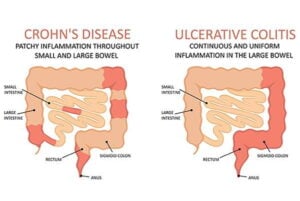
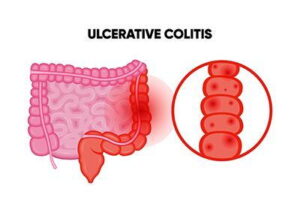
Inflammatory bowel disease is a group of chronic conditions that cause ongoing inflammation within the digestive tract. The two main types of IBD are Crohn’s disease and ulcerative colitis.
Unlike IBS, IBD causes physical inflammation and damage to the intestinal lining. This inflammation can lead to symptoms such as abdominal pain, persistent diarrhea, fatigue, and weight loss. Some patients may also experience blood in the stool.
Because IBD involves inflammation of the digestive tract, it requires medical monitoring and treatment to manage symptoms and prevent complications.
Key Differences Between IBS and IBD
The main difference between IBS and IBD is the presence of inflammation and tissue damage. IBS affects how the digestive system functions but does not cause visible injury to the intestines. IBD, on the other hand, causes inflammation that can damage
the intestinal lining.
IBS symptoms often fluctuate and may be triggered by diet or stress. IBD symptoms may occur in cycles of flare-ups and remission but typically involve more severe inflammation and medical complications.
Another important distinction is that IBD may increase the risk of complications such as intestinal scarring or nutrient deficiencies, which require careful medical management.
When to See a Gastroenterologist
Digestive symptoms that persist or worsen over time should be evaluated by a healthcare professional. Ongoing abdominal pain, frequent diarrhea, unexplained weight loss, or blood in the stool may require specialized evaluation.
A gastroenterologist can perform diagnostic testing to determine whether symptoms are related to IBS, IBD, or another digestive condition. Accurate diagnosis allows patients to receive appropriate treatment and long-term management.
Supporting Digestive Health Through Proper Diagnosis
Although IBS and IBD share similar symptoms, they require different approaches to treatment and care. Identifying the correct condition allows healthcare providers to develop a personalized plan that helps manage symptoms and protect digestive health.
If digestive symptoms are affecting daily life, professional evaluation can provide clarity and help patients take the next steps toward better gastrointestinal health.