It is extremely important that your colon be thoroughly cleaned before your colonoscopy. This will let the doctor see any abnormalities, such as colon polyps, during the procedure. Polyps are small growths in the colon that could later turn into cancer. Cleansing the colon before a colonoscopy is called bowel preparation, or prep. It involves taking medication that causes frequent, loose bowel movements to empty the colon. The medication is taken by mouth and typically comes in liquid form. You will also need to change what you eat during the day or two before the colonoscopy. Most bowel preparations involve drinking some prep liquid at two different times. The best way to cleanse the colon is with a “split-dose” bowel preparation. This involves drinking the first portion of the liquid preparation the evening prior to the colonoscopy, and then drinking the second part of the liquid preparation on the day of the colonoscopy. If your colonoscopy is scheduled to start in the morning, you must wake up early in the morning on the day of the colonoscopy to drink the second part of the prep. This can be an inconvenience for some people, but it gives your doctor the best chance of finding polyps or cancers in your colon. Taking both portions of the bowel preparation the evening prior to the colonoscopy, instead of taking the second portion of the prep on the morning of your colonoscopy, is an alternative option for cleansing the bowel. However, studies have shown that taking at least half of the prep solution on the same day as the colonoscopy provides the best bowel cleansing, which improves your doctor’s ability to find polyps and cancers in your colon. You should not drink any liquids (not even prep solution) within 2-3 hours of your colonoscopy. It is important that you understand the prep instructions given to you by your doctor, which will provide instructions on when you should drink your bowel prep.
Why is bowel prep important?
Many patients feel that the bowel prep is the most difficult part of a colonoscopy. It is important that you try your best to fully complete the prep. After taking the entire bowel prep, you should be passing liquid that is watery or yellow and clear enough to see through. Your bowel must be clean so that your doctor can thoroughly examine your colon and not miss precancerous growths called polyps. If your colon is inadequately cleansed, your doctor may recommend repeating a colonoscopy sooner than if your colon had been properly cleansed.
What are the types of bowel prep?
Several types of bowel prep medications are available. Your physician will recommend which prep you should take. You will need to carefully follow your doctor’s instructions about the exact dose and timing of your prep. Some types of prep may be covered by your medical insurance. You’ll want to find out if you have any out-of-pocket costs.
What determines the type of prep I get?
Your medical condition is the most important factor in deciding which type of bowel prep is best for you. It is best to share your complete medical history with your doctor. Also, tell your doctor if you are pregnant or breast feeding, or if you have a history of bowel obstruction. Let the doctor know if you have diabetes, high blood pressure, heart, kidney or liver disease, or if you have had any of these diseases in the past. You need to mention any allergies you have to medications to the doctor.
If you have had difficulty with a bowel prep in the past, be sure to mention this as well. Other factors in choosing the type of prep are the time of the colonoscopy appointment, individual preferences (taste and amount of medication), and out-of-pocket costs.
What bowel preparation steps are involved before the colonoscopy?
Your doctor will prescribe the type of bowel prep that is best for you. You will receive specific instructions. In general, here is what you can expect:
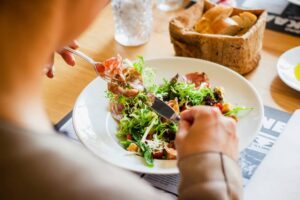
- Your doctor will tell you to change your diet at least one day before your colonoscopy. Usually you will need to limit your diet to clear broth, sorbet, black coffee or tea, gelatin desserts, ginger ale, sherbet and clear fruit juices (the ones you can see through), such as apple juice.
- You need to avoid gelatin desserts and liquids that are red or purple.
- It is important to avoid dehydration during bowel prep. Drink more fluids than you usually do.
- Your doctor will tell you exactly when to stop eating and drinking before your colonoscopy.
- Follow carefully all the steps your doctor prescribes.
- Most medications can be continued as usual, but some can interfere with either the bowel prep or the colonoscopy. Tell your doctor about all medications you’re taking, including over-the-counter medications, especially aspirin products, arthritis medications, blood thinners, diabetes medications or iron products. Your doctor will have instructions.
What if I forget to take the medication when I should or remember too late to finish the prep?
Call your doctor and ask what to do if you are not able to complete the bowel prep as advised. The procedure might need to be canceled and rescheduled.
What are the common side effects of bowel prep?
You should expect to have multiple loose bowel movements with minimal discomfort while doing the prep. However, some people will have nausea, vomiting, bloating (swelling in the abdomen) or abdominal pain. Serious side effects are uncommon. Your doctor will explain the possible side effects of the prep selected for you.