What is a PEG?
Gastroenterologists use percutaneous endoscopic gastrostomy (PEG) to surgically insert a feeding tube (often called a PEG tube) into a patient’s stomach — bypassing the mouth and esophagus — so the patient can get the needed nutrients and fluids. The amount of time a patient needs to use a feeding tube is based on their individual medical conditions.
Who needs a feeding tube?
Gastroenterologists generally use a feeding tube to care for patients who have difficulty swallowing for neurological and/or anatomical reasons. While less common, physicians also sometimes use a feeding tube to address a patient’s persistent unintentional weight loss and/or malnutrition.
Who needs a feeding tube?
Gastroenterologists generally use a feeding tube to care for patients who have difficulty swallowing for neurological and/or anatomical reasons. While less common, physicians also sometimes use a feeding tube to address a patient’s persistent unintentional weight loss and/or malnutrition.
How do gastroenterologists perform a PEG?
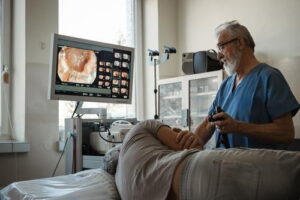
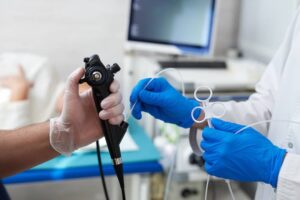
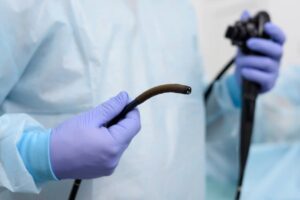
Gastroenterologists perform a PEG by passing an illuminated and flexible tube or endoscope through the patient’s mouth and into the stomach. The doctor then makes small incisions in the patient’s abdomen and stomach wall. Finally, the feeding tube is inserted through the opening in the patient’s abdomen and into the stomach. Most patients receive an intravenous antibiotic, sedative and local anesthesia before a PEG. Patients are normally free to go home the day of the procedure or the next day.
What happens after a PEG?
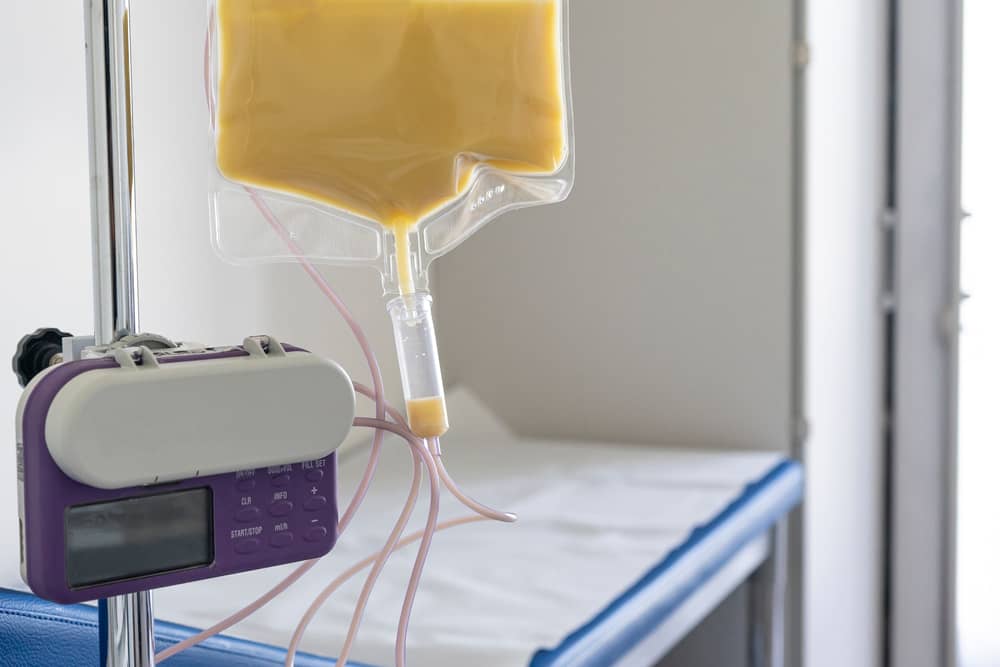
Once a patient has a PEG, the gastroenterologist will provide post-procedure instructions and the accessories needed to receive specialized liquid nutrition, fluids and medication. This ensures that the patient knows how to use the feeding tube and receives its optimum benefits. Some of the patients who receive a feeding tube may also be able to eat or drink following a PEG, but those who have difficulty swallowing (e.g., following a stroke) are limited to using the feeding tube as their main source of nutrition — an important consideration for patients to discuss with their gastroenterologist.
How complicated is post-PEG care?
Every patient receives instructions on how to care for the feeding tube insertion site following a PEG. The dressing is usually removed by the patient or a member of the medical team one to two days after the procedure. While no special dressing or covering is required, the patient should clean the feeding tube insertion site once a day with diluted soap and water, while keeping the area dry between cleanings.
How long do feeding tubes last?
Feeding tubes can last for years. Since some break down or become clogged with time, they may need to be replaced. It’s not unusual for gastroenterologists to remove or replace a patient’s feeding tube in the office without the use of sedatives or anesthesia, although that’s not always possible.
How are feeding tubes removed?
Gastroenterologists can remove a patient’s feeding tube in their office while the patient is awake using a procedure that’s both quick and painless. The insertion sites generally heal and close quickly once the tube is removed. It is important to note that a feeding tube that becomes dislodged will require the gastroenterologist’s immediate attention.
What is a PEG’s most common complications?
A PEG’s most common complications include pain at the feeding tube insertion site, the leakage of stomach contents around the insertion site, and the dislodgment or malfunction of the feeding tube. Other potential complications include an infection of the feeding tube insertion site, aspiration (i.e., inhalation of the stomach’s contents into the lungs), and bleeding or perforation (i.e., a hole in the bowel wall) that occur during or after a PEG. Gastroenterologists always discuss these potential complications with their patients before they perform a PEG.